A condemnation notice can make a house feel impossible to sell. The city may say the property is unsafe, lenders may refuse to finance it, and the repair estimate may be far beyond what you can afford. But a notice does not automatically mean you are stuck with the home. This guide to selling condemned homes explains what the designation means, what you can do next, and when an as-is cash sale may offer a practical way forward.
A home is generally condemned when a local government agency determines that it is unsafe or unfit for occupancy. The issue could be severe structural damage, a fire, a failed septic system, exposed wiring, extensive mold, code violations, or conditions that create a health or safety risk.
Condemnation is not the same thing as a house simply needing updates. A dated kitchen or worn carpet may hurt resale value, but those issues rarely lead to a condemnation order. A condemned property usually has an official notice, inspection report, violation list, or order requiring the owner to repair, vacate, secure, or demolish the structure.
The exact rules depend on your city, county, and state. In Indiana and elsewhere, the paperwork should identify the code issues, deadlines, and your options for appealing the decision. Read every notice carefully. Missing a deadline can lead to fines, liens, or municipal action against the property.
Yes, you can often sell a condemned house. The key is finding a buyer who understands the condition and can take on the work. Most traditional buyers cannot do that, especially if they need a mortgage. Lenders typically require a home to meet basic safety and habitability standards before approving financing, so a conventional sale can become difficult or fall apart during inspection.
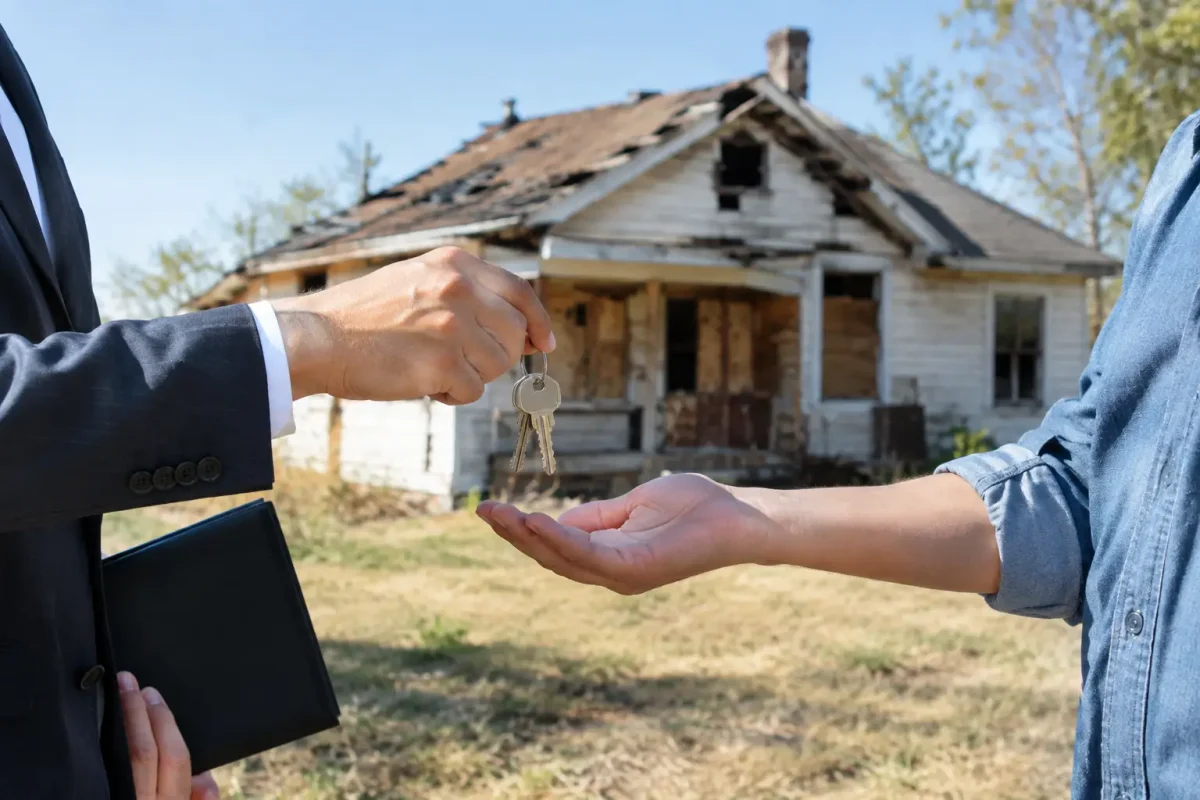
That does not mean every condemned home must be torn down before it can be sold. An experienced cash buyer may purchase a property as-is, whether the best path is rehabilitation, major renovation, or removal of the existing structure. The land itself can also hold value, particularly in an established neighborhood or an area with demand for new construction.
You still need to be honest about the property. A buyer should receive the condemnation notice, inspection documents, repair orders, and any known damage. Being upfront protects you and helps the buyer make an informed offer without surprises late in the process.
Before choosing a selling strategy, get clear on the property’s current status. Find out whether the home is condemned, posted as unsafe, cited for code violations, or subject to a demolition order. These terms are sometimes used casually, but they can carry very different legal consequences.
Call the local code enforcement or building department if the notice is unclear. Ask what must happen before the property can be occupied, whether repairs require permits, whether an appeal period is still open, and whether the city has placed or plans to place a lien on the home. Request copies of the inspection report and violation history if you do not already have them.
If you inherited the home, are handling probate, or own the property with family members, confirm who has legal authority to sell. A title company or real estate attorney can help identify ownership, unpaid taxes, judgment liens, and other title issues that need to be addressed at closing.
The right choice depends on the condition of the home, the cost of repairs, your timeline, and how much uncertainty you can manage.
Repairing the house can make sense if the violations are limited, you have access to funds, and the after-repair value supports the investment. Once the work is completed and approved, you may be able to list the house through an agent and reach a larger pool of buyers.
The trade-off is time and risk. Major repairs can require contractors, permits, inspections, and weeks or months of work. Older properties often reveal additional problems once walls, floors, or damaged materials are opened up. You may also need to keep paying taxes, insurance, utilities, or mortgage payments while the project is underway.
A cash buyer, investor, or builder may be willing to purchase the home in its current condition. This route is often a fit when the house has extensive damage, the city has issued repair deadlines, or you do not want to spend money on a property you no longer plan to keep.
A direct buyer will usually factor repair costs, permit requirements, holding costs, and the risk of unknown issues into the offer. That can mean the price is lower than a fully repaired retail sale. In exchange, you may avoid repair bills, agent commissions, showings, financing delays, and the uncertainty of waiting for a traditional buyer to qualify.
When damage is severe or demolition is likely, the property may be worth more as a lot than as a renovation project. Builders may look at lot size, zoning, neighborhood sales, access to utilities, and whether a replacement home can be built there.
Do not assume a condemned structure has no value. At the same time, do not assume the land will command a premium. Demolition costs, environmental concerns, and local building restrictions can affect what a buyer is willing to pay.
An as-is sale means you do not make repairs or improvements as a condition of the sale. It does not mean hiding problems. You disclose what you know, provide the available notices, and let the buyer evaluate the property based on its current condition.
With a direct cash sale, the process is usually simpler than listing a condemned home on the open market. You provide basic details about the house and its condition, speak with a buying specialist, and receive an offer after the property is evaluated. If the offer works for you, you choose a closing date that fits your situation.
Because there is no buyer mortgage involved, the sale is not dependent on a lender’s appraisal or financing approval. That can be especially helpful when a property cannot qualify for conventional financing. A reputable buyer should explain the offer clearly, allow you time to review it, and close through a local title company.
Stone Legacy Home Buyers purchases houses as-is for cash and can discuss whether a direct sale is a fit for a condemned or severely damaged property. If it is not the right solution, getting straightforward information about your alternatives is still valuable.
You do not need perfect records to sell, but having the right documents can prevent delays. Gather the condemnation notice, code violation notices, inspection reports, repair estimates, permits, photographs, tax bills, mortgage information, and records of any liens or unpaid utility balances.
If the property had fire damage, water damage, mold, or an insurance claim, keep those documents as well. For inherited properties, bring together probate paperwork, a death certificate when applicable, and any documents showing who can sign on behalf of the estate.
A serious buyer will not expect you to solve every issue before talking. Still, clear documentation makes it easier to evaluate the home fairly and determine whether liens, taxes, or municipal charges can be handled through the closing process.
First, do not ignore the notice while you wait for the market to improve. Code enforcement deadlines and fines can continue, and a vacant unsafe property may attract trespassers, vandalism, or further damage. If the home is vacant, follow local requirements for securing it.
Second, do not spend money on cosmetic work before understanding the full repair scope. New paint will not solve a foundation issue, a failed electrical system, or a dangerous roof. Get the violation list first, then decide whether repairs make financial sense.
Finally, be cautious with anyone promising an unrealistically high price without reviewing the property or explaining the terms. Ask whether there are fees, inspection contingencies, assignment clauses, or last-minute price reductions. A fair offer is not only about the number. It should also be clear, credible, and matched to the condition of the home.
A condemned house can bring pressure, but you do not have to let the property dictate every decision. Get the facts, protect your deadlines, and choose the option that gives you the most workable path forward.
This website is operated by a real estate investment company. We are not real estate agents or brokers. Any information you submit is voluntary and will be used to evaluate your property for a potential purchase. Submitting your information does not obligate you to sell your property, nor does it guarantee an offer. All offers are subject to inspection and verification.